

Key Takeaways
- Diesel engine performance at high altitude drops since there is less oxygen available for combustion.
- The effect of altitude on diesel engines is most noticeable as a loss of power, as less oxygen limits how much fuel can be burned efficiently.
- Turbochargers reduce altitude-related power loss by compressing the thinner air, but they need to be correctly calibrated.
- Modern electronically controlled turbochargers can adjust boost automatically, while older mechanical systems may require manual tuning.
- Regular maintenance of the turbocharger and fuel injection system helps maintain diesel engine efficiency at high altitude.
Why Elevation Matters for Diesel Engines
Diesel engines need air and fuel in the right proportions to produce power. At sea level, the engine gets a predictable supply of oxygen. As a vehicle or piece of equipment climbs higher, atmospheric pressure falls, and the air becomes thinner.
This is why diesel engine performance at high altitude can differ noticeably from what you experience at sea level. For trucks, tractors, generators, and other diesel-powered equipment operating in places such as Colorado and Wyoming, the change can affect power, fuel economy, and how hard the turbocharger needs to work.
At Diesel Components, Inc., we have spent nearly five decades repairing turbochargers and diesel engine parts for equipment operating in a range of conditions. We often see how changes in elevation can affect turbocharger and fuel system performance. Let’s take a closer look.
The Effect of Altitude on Diesel Engines
Atmospheric pressure decreases with a rise in elevation. Air density falls by roughly 3% for every 1,000 feet gained. Even if it may not seem significant at first, the difference becomes much more noticeable at higher elevations. A diesel engine operating at 8,000 feet has considerably less oxygen available than the same engine at sea level.
Diesel fuel needs plenty of air to burn properly inside the engine. When the engine does not get enough oxygen, it cannot make full use of the fuel being injected. If more fuel is added without increasing the air supply, you may end up with extra smoke and fuel that has not burned completely.
This is the basic effect of altitude on diesel engines. Naturally aspirated diesel engines are particularly affected because they do not have a turbocharger forcing additional air into the engine. Their rated horsepower can fall significantly once they operate above around 5,000 or 6,000 feet.
This does not necessarily signify a mechanical problem. It is rather due to operating in thinner air. However, operators must account for the reduced power when planning heavy loads or mountain routes.
How Turbochargers Compensate for Thin Air
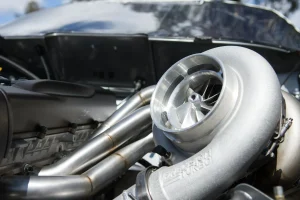
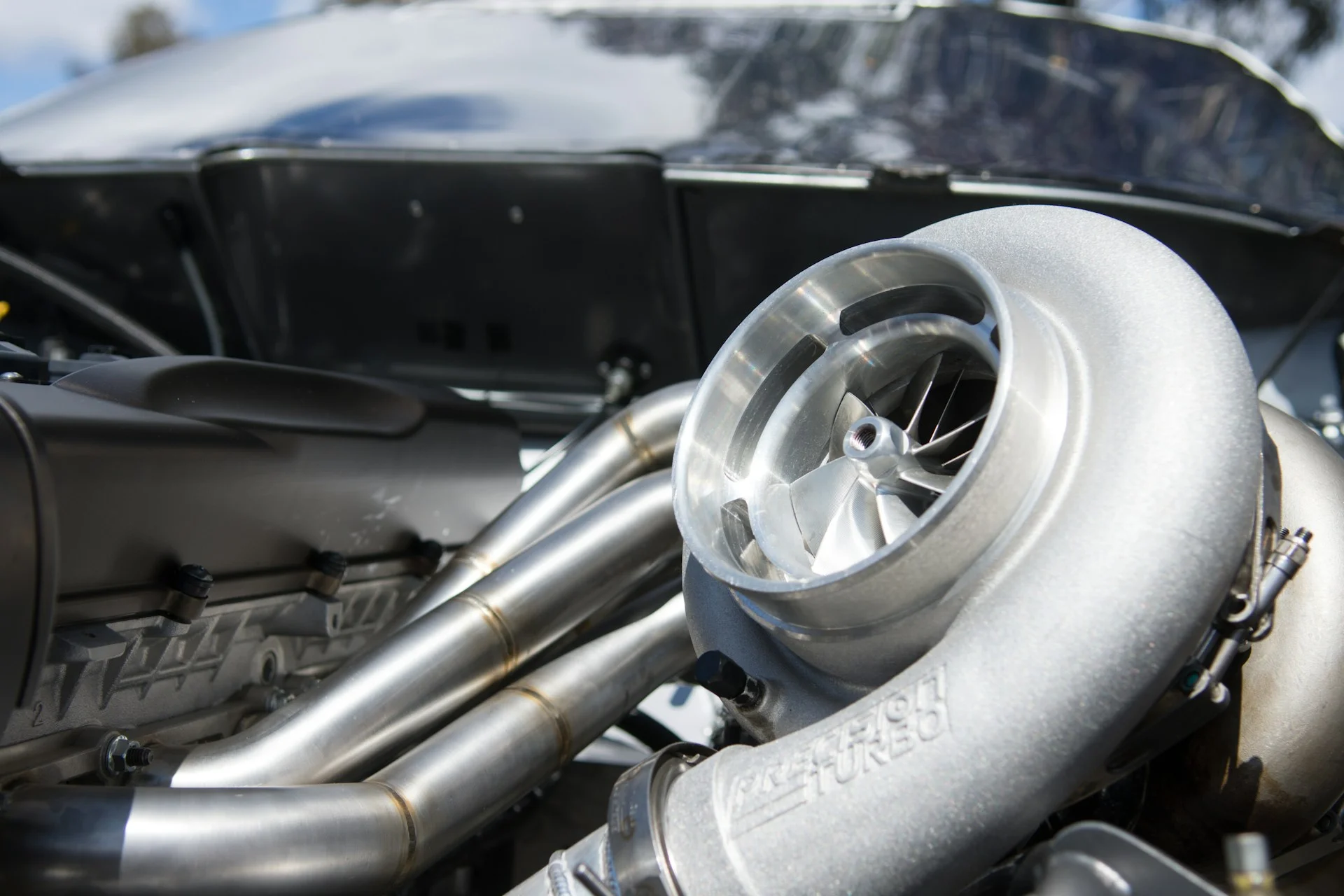
At high altitude, there is less air available for the engine to take in. A turbocharger helps by compressing the intake air before it enters the cylinders. It uses energy from the exhaust to spin a turbine connected to a compressor on the intake side. By compressing the incoming air, the turbocharger allows the engine to get more oxygen into the cylinders than it would from the surrounding air alone.
The problem is that the turbocharger has to work harder as altitude increases if it is to maintain the same boost pressure. The air entering the turbocharger is already at a lower pressure, and the thinner atmosphere also affects the exhaust flow that powers the turbine. As a result, maintaining the same level of boost becomes more difficult at higher elevations.
This makes turbocharger adjustment by altitude important, particularly on equipment using older or mechanically controlled turbo systems. A turbocharger that is worn, incorrectly sized, or poorly calibrated may struggle to provide enough boost. The result can include slow throttle response, black smoke, and poorer fuel efficiency.
Diesel Components, Inc. has been an authorized turbocharger repair facility for AireSearch, Garrett Turbo, and Schwitzer since we opened in 1977. Our experience rebuilding turbochargers has given our technicians a practical understanding of how operating conditions can affect components such as bearings, seals, and compressor wheels.
Also Read: 5 Tips To Boost Your Turbocharger’s Performance
Electronic vs. Mechanical Boost Control
Modern diesel engines rely heavily on electronic controls to manage the turbocharger. Many of them use variable geometry turbo (VGT) systems, which can change the amount of boost depending on how the engine is operating. The system uses sensors to keep track of things like barometric pressure, and the engine control unit can then adjust the fuel supply and turbo vanes accordingly. This helps maintain diesel engine performance at high altitude, where the thinner air can otherwise reduce power.
Older mechanical turbo systems are less adaptable. Their wastegate settings are generally calibrated for a particular operating range. Equipment that regularly travels between low and high elevations may therefore need its turbo settings checked by a qualified technician. In some applications, a turbocharger better suited to the operating conditions may also be worth considering.
Fuel delivery is another important part of the equation. Diesel Components, Inc. carries out fuel injector and injection pump testing and rebuilding on-site. This allows our technicians to check the fuel system alongside the turbocharger rather than treating each symptom as a separate problem.
Also Read: How Much Horsepower Does a Diesel Turbocharger Add?
How to Protect Diesel Engine Efficiency at High Altitude
A few straightforward maintenance habits can help protect diesel engine efficiency at high altitude:
- Keep the air intake clean. Check the air filter and intake system regularly. Any restriction makes it harder for the engine to get the air it needs.
- Pay attention to exhaust smoke. Persistent black smoke can indicate a turbocharger or fuel injection problem rather than simply being a result of elevation.
- Inspect the turbocharger. Extended high-altitude operation can put additional demands on the turbo, making regular checks of bearings, seals, and other components worthwhile.
- Check injectors and fuel pumps. Worn fuel system components can affect the air-to-fuel balance and reduce combustion efficiency.
- Consider the engine load. Heavy loads on steep grades place more strain on the engine and turbocharger. Reducing the load where practical can help limit that stress.
Also Read: How Diеsеl Turbochargers Improve Engine Performance
Maintain Diesel Engine Performance at Any Elevation
There is no way to eliminate the effect of thinner air on a diesel engine. However, a properly working turbocharger and well-maintained fuel system can significantly reduce the impact.
It is important for operators to know how changes in elevation can affect oxygen levels, boost pressure, and fuel delivery. Having a basic understanding of these factors can make it easier to notice when something is not working as it should. Proper maintenance also helps keep diesel engine performance at high altitude dependable, especially for equipment that spends a lot of time in mountainous regions or operates at different elevations regularly.
If you are seeing power loss, excessive smoke, or sluggish response from diesel equipment at elevation, Diesel Components, Inc. can help identify whether the cause is related to the turbocharger, fuel system, or another component. To reach out to us:
Email: sales@dieselcomponentsinc.com
Phone: (800) 252-6625 | (952) 890-2885
Frequently Asked Questions
Q1. Does altitude affect fuel economy in diesel engines?
Ans. Yes. Fuel economy can be affected when a diesel engine is operating at higher elevations. Since the air is thinner, there is less oxygen available for combustion. A turbocharger can make up for some of this difference, but if it cannot maintain the required airflow and boost, the engine may need to work harder for the same output, which can lead to higher fuel consumption.
Q2. At what altitude do diesel engines start losing power?
Ans. Most naturally aspirated diesel engines experience noticeable power loss above roughly 5,000 to 6,000 feet. Turbocharged engines can compensate for much of the loss, although their turbochargers have to work harder.
Q3. Can a turbocharger be adjusted for high-altitude driving?
Ans. Mechanical turbo systems may require manual adjustment or recalibration when used regularly at high elevations. Modern electronically controlled turbochargers can generally adjust boost automatically using information from engine and barometric sensors.
Q4. Is black smoke at high altitude normal for diesel engines?
Ans. A small amount of smoke may occur in some conditions, but persistent or heavy black smoke should not be dismissed as a normal effect of altitude. It can indicate a turbocharger, air intake, or fuel injection problem that needs inspection.