

TL;DR
- By recycling wasted exhaust energy, a turbocharger boosts engine power and efficiency.
- Understanding what a turbocharger does helps you make better decisions about vehicle performance and maintenance.
- A turbocharger captures energy from the exhaust flow to turn a turbine, which powers a compressor that pushes additional air into the engine’s cylinders.
- Turbocharging improves power output, fuel economy, and emissions.
- Turbocharging also has some drawbacks, including turbo lag, additional system complexity, and higher maintenance requirements.
How Does a Turbocharger Convert Wasted Exhaust Energy into More Power?
When a combustion engine runs, it pushes out hot exhaust gases through the tailpipe at high speed. While most drivers barely notice this, these fumes represent a significant amount of wasted energy, including heat and kinetic energy that disappear into the atmosphere with every drive.
But what does a turbocharger do with all that wasted energy? The turbocharger captures it and puts it back to work, which results in more power, better efficiency, and a cleaner burn.
At Diesel Components Inc., we have been working with turbocharger systems since 1977. Whether you are an automobile enthusiast or just curious about what happens under the bonnet, here is everything you need to know about turbochargers.
What Is a Turbocharger and Where Does It Fit in an Engine?
To understand what a turbocharger does, it helps to first understand how an engine produces power.
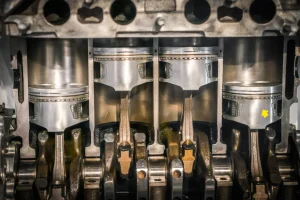
Engines generate power by burning a mixture of fuel and air inside metal chambers called cylinders. Air enters the cylinder, mixes with fuel, and ignites, creating a controlled explosion. That explosion drives a piston downward, which rotates the crankshaft and ultimately spins the wheels.
The more fuel and air an engine can process per second, the more power it produces. This is why larger engines with more cylinders are more powerful: they process greater volumes of fuel and air with each cycle. A turbocharger forces more compressed air into the cylinders, allowing the engine to burn more fuel per cycle and produce significantly higher power, all without increasing the engine’s physical size.
How Does a Turbocharger Work?
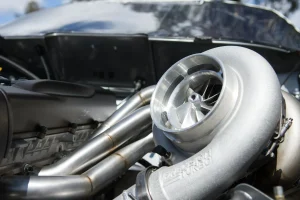
A turbocharger has two main components connected by a shared shaft: a turbine and a compressor. Here is how a turbocharger works:
- After combustion, exhaust gases exit the engine at high speed and temperature.
- These gases spin the turbine wheel housed in the exhaust stream.
- The spinning turbine drives the compressor on the opposite end of the shaft.
- After drawing in fresh air, the compressor compresses it and forces it into the engine’s intake manifold.
- As denser, oxygen-rich air enters the cylinders, it allows more fuel to be burnt with each stroke.
- When more fuel burns per cycle, more power is generated with every revolution of the engine.
This process continues while the engine runs. It makes the turbocharger a self-sustaining system powered entirely by energy that would otherwise be wasted.
How Is a Turbocharger Different from a Supercharger?
While a supercharger achieves a similar outcome as the turbocharger, it works differently. Rather than being powered by exhaust gases, a supercharger is driven by the engine’s crankshaft through a belt or chain.
Also Read: How Long Do Turbochargers Really Last? A Complete Guide
A supercharger delivers a more instant and consistent power boost. However, it draws energy directly from the engine, which reduces overall efficiency. On the other hand, turbocharging an engine means the turbocharger runs entirely on the waste energy in the exhaust. This makes the turbocharger the more fuel-efficient option.
What Are the Advantages of Turbochargers?
Here are the main advantages of turbochargers:
- Increased Power Output: One of the most important benefits of turbocharged engines is the boost in power. They force more air into the cylinders, helping the engine combust more fuel during every cycle and generate considerably more power than a naturally aspirated engine of the same size. This is the core of what a turbocharger does: it unlocks power potential that would otherwise remain untapped.
- Better Fuel Economy: A turbocharged engine can be physically smaller and lighter than a non-turbocharged engine producing the same power. Manufacturers can fit a turbocharged four-cylinder engine in place of a V6, or a turbocharged V6 in place of a V8. This downsizing can improve fuel economy by up to 10% in real-world driving conditions.
- Cleaner Emissions: Turbochargers supply the engine with a denser, oxygen-rich air charge, leading to more complete and thorough fuel combustion. Apart from fewer unburned fuel particles in the exhaust, it means lower overall air pollution.
- Versatility: Since turbochargers are compatible with virtually any combustion engine, they are among the most widely applicable performance solutions in the automotive and transport industries.
What Are the Disadvantages of Turbochargers?
Here are the drawbacks of turbochargers:
- Turbo Lag: The slight delay between pressing the accelerator and the turbocharger delivering its boost to the engine. It happens because the turbocharger requires a sufficient volume of exhaust gases to spool up before it can generate meaningful pressure.
- Increased Complexity and Heat: Adding a turbocharger introduces additional components into the engine bay, increasing the system’s overall complexity and heat. Moreover, turbochargers operate at extremely high temperatures, which can be quite demanding for the engine cooling and lubrication systems.
- Higher Maintenance Requirements: Turbochargers endure high heat and mechanical stress. They require quality engine oil and regular servicing to function well. You should not neglect oil changes or run the engine hard before it has warmed up, as that can reduce the turbocharger’s lifespan.
Also Read: How does a Turbo Work? Advantages and Disadvantages
Maximise Engine Performance with Expert Turbocharger Solutions
By turning wasted exhaust energy into usable power, turbochargers have transformed modern engines across a range of applications, from compact cars to heavy trucks, buses, and marine vessels. Understanding how turbochargers work allows you to make informed decisions about maintenance, upgrades, and long-term reliability.
A properly maintained turbocharged engine delivers consistent power, improved fuel economy, and a longer service life. Investing in high-quality components and working with experienced specialists is what keeps that performance intact over time.
Diesel Components Inc. has supported the heavy-duty diesel market across Minnesota and the wider region since 1977. Our team provides expert guidance and precision diagnostics for dependable turbocharger solutions.
Also Read: What are the main functions of Turbocharger?
Contact Diesel Components Inc. today to discuss your diesel engine needs or speak with a specialist for expert guidance.
Call us: (800) 252-6625 | (952) 890-2885
Email us: sales@dieselcomponentsinc.com
FAQs
Q1. How long does a turbocharger typically last?
Turbochargers can often last 150,000 to 200,000 miles or more. Regular oil changes and letting the engine warm up and cool down properly help extend turbocharger life.
Q2. Can a turbocharger be added to any engine?
While a turbocharger can be fitted to most petrol and diesel engines, the process is generally not straightforward. There may be a need to upgrade the engine’s internals, fuel system and cooling system to handle the increased pressure and heat.
Q3. What causes a turbocharger to fail prematurely?
Oil starvation, contaminated oil, and heat soak are among the most common causes of premature turbocharger failure. Other contributing factors include foreign object damage and a worn seal.
Q4. Does a turbocharged engine require special engine oil?
Turbocharged engines typically need a high-quality, low-viscosity synthetic oil that can withstand the extremely high temperatures generated by the turbocharger.