

Key Takeaways
- The 7.3L Powerstroke produced up to 275 hp and 525 lb-ft of torque, depending on configuration.
- Prioritize engine, turbo, fuel system, transmission and frame condition when buying.
- Check for oil leaks, turbo wear, fuel-system issues and rust before purchasing.
- Choose upgrades based on your power goals and intended use.
- Complete maintenance and repairs before adding performance upgrades.
7.3L Powerstroke: An Overview
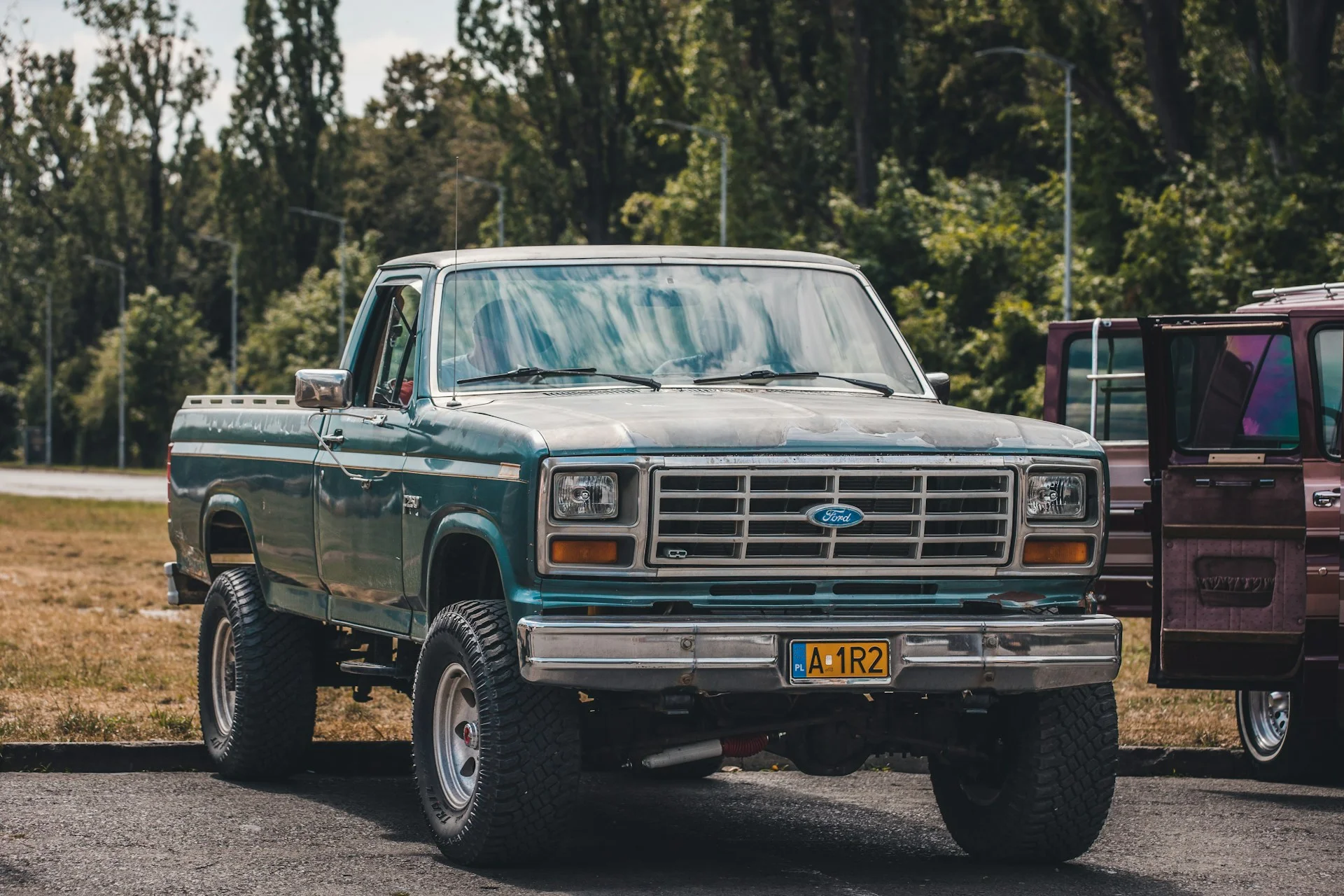
If you’re looking to buy a 7.3L Powerstroke, you’re shopping for one of Ford’s most recognizable diesel platforms. Built into Super Duty trucks and the Excursion through the 2003 model year, the 7.3L paired a 7.3-litre turbocharged V8 with HEUI direct injection and up to 275 horsepower and 525 lb-ft of torque, depending on the year and configuration.
After 20-plus years, though, the engine itself is only part of the story. Turbochargers, injectors, cooling components, wiring, transmissions, and the truck’s frame can all tell you how well a particular 7.3L has been cared for. Having worked on these trucks for decades at Diesel Components Inc., we’ve seen firsthand how much these smaller components, including things like diesel particulate filters, factor into a truck’s long-term reliability, often more than the engine itself.
With that in mind, let’s take a closer look at what makes the 7.3L worth considering, and what to check before you buy one.
What Are the Ford 7.3L Powerstroke Specs?
The 7.3L Powerstroke is a 444-cubic-inch (7.3-liter) turbocharged diesel V8. The 1999–2003 Super Duty version uses direct injection, HEUI fuel delivery and an electronically controlled engine management system.
Depending on model year and configuration, factory output was generally around 235–275 horsepower and 500–525 lb-ft of torque. Ford also paired the engine with manual and automatic transmissions during this period.
| Specification | 1999–2003 7.3 L Powerstroke |
| Engine | 7.3L Power Stroke V8 |
| Displacement | 444 cu. in. / 7.3L |
| Configuration | V8 |
| Aspiration | Turbocharged |
| Fuel system | HEUI |
| Injection | Direct injection |
| Valvetrain | OHV |
| Model range | F-250, F-350, F-450 and Excursion |
| Transmission options | Manual and automatic |
Exact horsepower, torque and transmission specifications vary by model year and configuration, so verify the truck’s original specifications using its VIN and factory documentation.
How Does the 1999 Ford 7.3L Powerstroke Compare With the 2003 Model?
The 1999 Ford 7.3L Powerstroke can refer to an early Super Duty configuration, while later trucks received updates and running changes.
The 2003 Ford 7.3L Powerstroke represents the final model year for the engine in Ford’s Super Duty lineup. Because these trucks have been modified extensively over the years, condition and service history are often more important to a buyer than choosing one specific model year.
When comparing trucks, check the build date, engine calibration, transmission, axle configuration and equipment rather than assuming every 1999–2003 truck has the same specifications.
Which Upgrades Improve Ford 7.3L Powerstroke Performance?
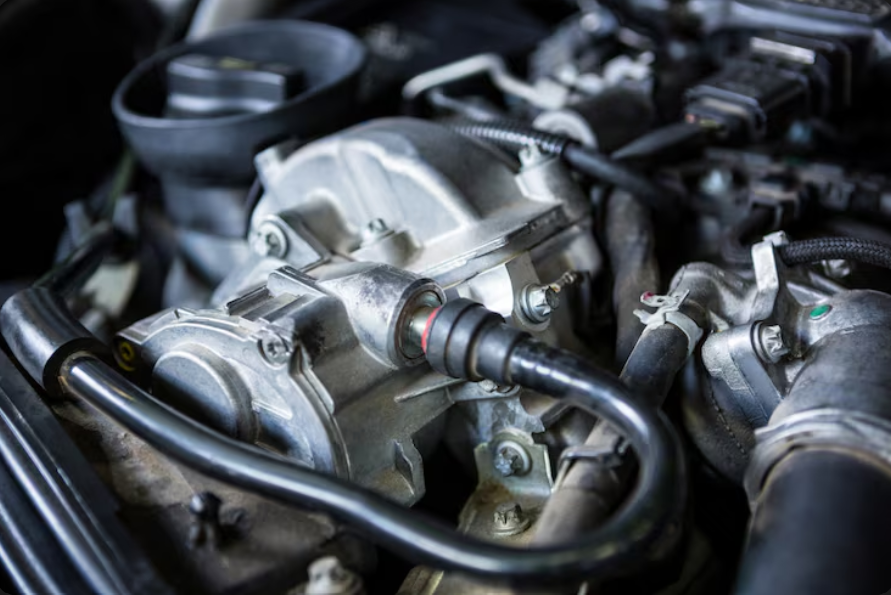
The right upgrades depend on how you use your truck. Diesel Components Inc. provides diesel components and upgrade options suited to everything from daily driving and towing to higher-power builds, helping you choose parts that match your specific setup and goals.
1. Turbo System
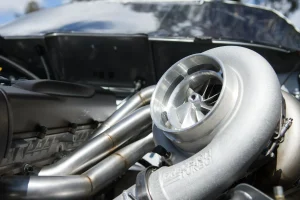
A properly matched turbocharger can support improved airflow and Ford 7.3L Powerstroke performance. However, turbo selection should account for the engine’s fuel system, intended power level and how the truck will be used. An oversized turbo may not provide the low-RPM response that a towing truck needs, while a turbo that is too small may limit airflow at higher power levels.
2. Exhaust Upgrade
A properly designed exhaust system can complement turbocharger improvements and help the engine move exhaust gases efficiently. When examining a used truck, inspect the existing exhaust system for leaks, poor-quality modifications or components that may need replacement.
3. Upgrade the Intake and Filtration System
A clean, appropriately sized air filtration system helps protect the engine from contaminants. Diesel Components Inc. offers a range of filtration products, including Donaldson systems. Its product lists an air induction retrofit application for 1999–2003 Ford F-250 through F-550 and Excursion models equipped with the 7.3L Power Stroke.
Also Read: 6.0 vs. 6.4 vs. 6.7 Powerstroke: Which Diesel Engine Reigns Supreme?
What Should You Check Before Buying a 7.3L Power Stroke?
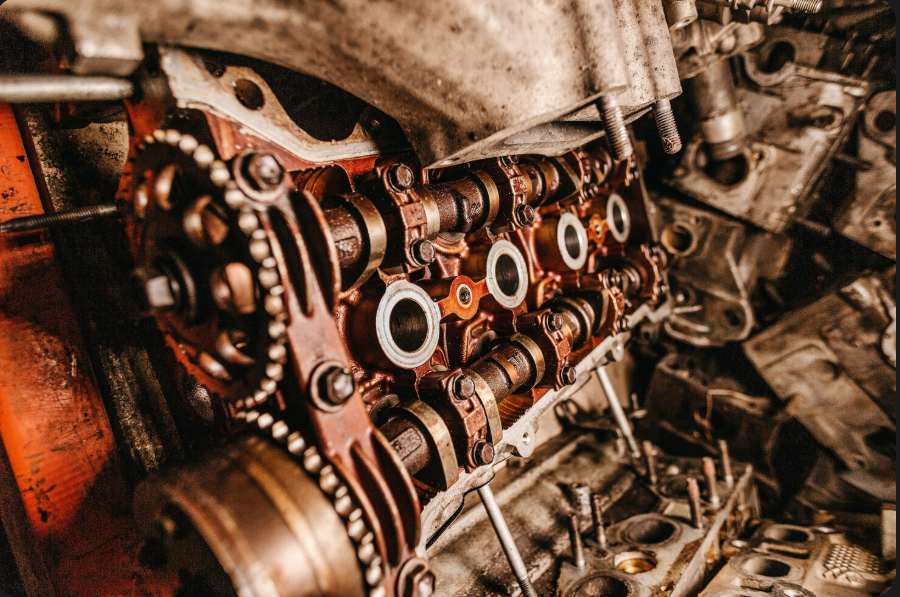
According to our lead technician at Diesel Components Inc., there are a few key things that every buyer must check before buying a 7.3L Powerstroke:
1. Inspect the Engine for Leaks
Oil leaks are worth investigating before purchasing any older 7.3L. Check around the turbocharger pedestal, high-pressure oil system, valve covers and other areas where seals and hoses may have aged.
A clean engine does not necessarily mean everything is perfect, but fresh oil around the engine can indicate maintenance needs that should be reflected in the purchase price.
2. Assess the Turbocharger and Exhaust System
The turbocharger is central to the engine’s performance. Look for excessive shaft play, oil leakage, damaged components and signs of poor boost performance.
The exhaust up-pipes are another area worth inspecting. Leaks can reduce turbocharger performance and contribute to increased exhaust temperatures. Turbocharger condition is especially important on trucks that have been tuned or modified.
If you’re in Burnsville, MN, and need diesel component support, Diesel Components Inc. has specialized in turbocharger distribution and repair since 1977. We provide component-level bench services, including turbocharger testing, repair and rebuilding, rather than repairing vehicles directly.
3. Evaluate the Fuel Injection System
The HEUI system relies on high-pressure engine oil to actuate the injectors. That makes engine oil condition and the high-pressure oil system particularly important to the 7.3L’s operation.
Look for hard starting, rough idle, hesitation or inconsistent performance. These symptoms can have several causes, including sensors, wiring, injector issues or high-pressure oil system problems.
4. Other Parts of the Truck to Inspect
A strong engine cannot compensate for a truck with serious structural or drivetrain problems. Check:
- Frame and body corrosion
- Suspension and steering components
- Brakes
- Transmission operation
- Differential leaks
- Driveshaft and U-joints
- Electrical components
- Cooling system
- Service records
For a vehicle this old, a professional pre-purchase inspection can provide valuable information before you commit to the purchase.
Also Read: 6.4 Powerstroke: Common Problems, Years to Avoid, Reliability & Buyer’s Guide
Conclusion
When evaluating 1999–2003 Ford 7.3L Powerstroke trucks, prioritize condition over badges and modifications. Once you’ve found a solid platform, address maintenance needs first, then select upgrades according to your actual goals.
Whether you’re inspecting a truck before you buy or keeping one you already own running strong, having the right parts and expertise on hand makes all the difference. Diesel Components Inc. has supplied diesel engine parts and provided specialized component services since 1977, including turbocharger repair, fuel injector and injection pump testing and repair, filtration, charge air cooling, and other diesel components.
If you have questions about a specific truck or need help sourcing the right parts, our team is just a call or email away:
Call: (800) 252-6625 | (952) 890-2885
Email: sales@dieselcomponentsinc.com
FAQs
Q1. What years did Ford use the 7.3L Powerstroke?
Ans. Ford used the 7.3L Powerstroke in Super Duty trucks and the Excursion through the 2003 model year. The engine was replaced by the 6.0L Powerstroke for the 2003–2004 model transition.
Q2. How much horsepower does a 7.3L Powerstroke have?
Ans. Factory output varied by model year and configuration, with later versions producing around 250–275 horsepower and 500–525 lb-ft of torque.
Q3. Is the 7.3L Powerstroke a reliable diesel engine?
Ans. The 7.3L Powerstroke has a strong reputation among diesel owners, but the condition of an individual truck depends heavily on maintenance, mileage, previous modifications and component wear.
Q4. What should I check before buying a 7.3L Powerstroke?
Ans. Inspect the engine for leaks, check the turbocharger and fuel injection system, evaluate the transmission and cooling system, and look for frame rust, electrical issues and evidence of proper maintenance.
Q5. What are the best upgrades for a 7.3L Powerstroke?
Ans. Common upgrades include turbocharger, exhaust, intake and filtration improvements. However, maintenance and repairs should come first before adding performance modifications.
Q6. What Maintenance Does a 7.3L Powerstroke Need?
Ans. A regular 7.3L Powerstroke maintenance routine should include timely oil and filter changes, fuel and air filtration, cooling-system care, glow-plug checks and monitoring of sensors, wiring and turbo seals.